

There are many ways to name a story from our own lives. Some call them “autobiographical stories”, others say “true-life stories”. I prefer to call them “personal stories”.
The word “personal” implies an intimacy, and I believe intimacy lies at the heart of any story from our own lives. Our relationship with ourselves and with our lives is intimate — and when we choose to share a moment from our lives, we are choosing to share a part of that intimacy with others. That is why, I believe, “personal stories” is the best way to describe them.
Sharing something personal can feel intimidating for some, especially if they value their privacy. For others, sharing might seem meaningless if they believe they have nothing worth sharing. And for those who view their lives mainly through the lens of social media, sharing something personal may have become a lifestyle — or even an identity.
The Nuance between Privacy and Intimacy
For me, personal stories go beyond these patterns and beliefs.
At the most basic level, we are all human beings having a human experience and each of us carries countless stories worth sharing.
This brings me to an important distinction: the nuance between privacy and intimacy.
Privacy is about setting healthy boundaries to keep ourselves safe from the chaos of public life. A healthy adult is aware of their own boundaries and respects those of others. Privacy, to me, has a territorial feeling: it is about protection.
Intimacy, however, is different. It is about closeness; a deep connection with ourselves and with our surroundings.
When we feel safe and secure — when our privacy is respected — we are free to share any experience from our lives. Each experience reveals a relationship, an intimate bond, either with ourselves or with the world around us.
For example, you might tell a story about a deceased family member, a jealous friend, a cat that drives you mad, or a flower you could not take your eyes off. You might share a memory of a river where you felt at home, or a tree you grew up beside.
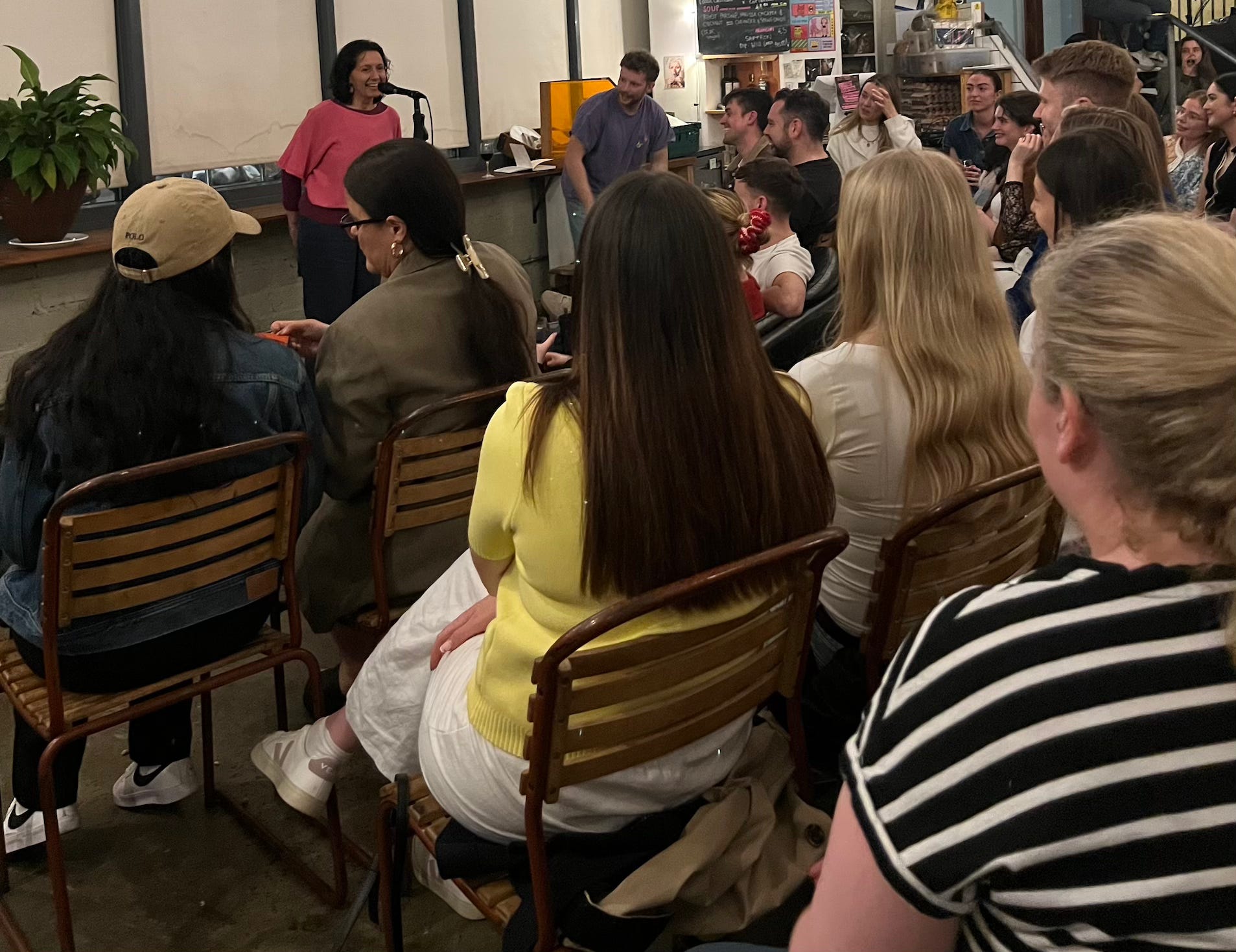
Threshold moments also make powerful personal stories: your first love, your first job interview, your first solo journey, moving to another city, emigrating to another country, getting married, becoming an adolescent, becoming a parent, going through menopause or becoming an elderly.
Sometimes, the connection might be with an inanimate object: a jumper you have worn for over two decades, a car you have not yet been able to afford, or a keepsake you simply cannot throw away.
Most personal stories reveal the awkwardness and beauty of the human experience, which is why they are often funny and entertaining.
To me, a good personal story does something more: it transforms an individual experience into universal wisdom. It quietly answers the question: What did you learn from this experience?
This teaching does not need to be spelled out. In fact, it is more powerful if it is woven into the structure of the story itself. That way, the listener senses the wisdom intuitively, rather than analysing it with their mind.
Tailoring A Story Gown
When I tell a personal story, I am not recounting exactly what happened in a specific moment of my life or relationship. I am telling the story of what happened. I craft a narrative structure, including only the details necessary for the listener to follow the thread. I may omit facts that could cause confusion, and I might highlight sensory details that did not occur in that precise moment, but perhaps did at another time. These elements add colour and depth to the story.
In other words, I cut the cloth of my life from different pieces and stitch them together into a gown that fits the story I want to tell. I wear this gown while sharing the tale—and take it off when the telling is done.
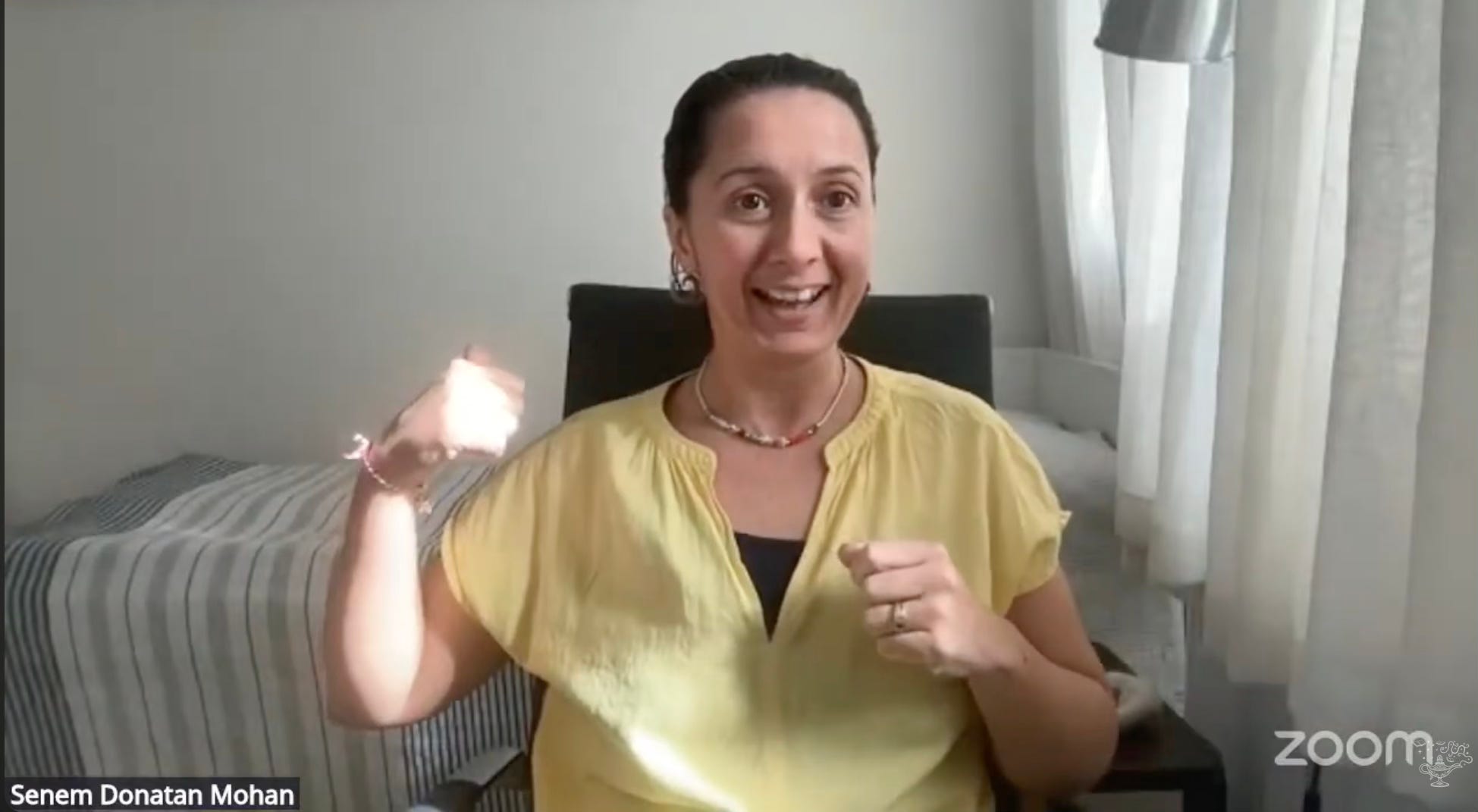
A separation — which I call aesthetic distance — occurs in the crafting of a personal story. To separate a memory from your psyche requires curiosity. You become an explorer of your own life, asking brave and searching questions:
What does this memory want to tell me?
How am I emotionally invested in it?
How can I release its emotional charge?
What deeper truth lies beneath the surface of events?
Answering these questions can be challenging, especially when you’re working with a threshold moment in your life.
For instance, I am currently crafting stories about my relationship with my ancestors. The emotional threads in those memories are intricate. That is why I work with a story coach—someone who understands narrative structure and helps me gain aesthetic distance from my memories.
In my previous work with a story coach, the process of crafting a story became a healing journey. The focus shifted from simply shaping a narrative to freeing myself from conditioning, limiting beliefs, and blind spots. In time, a good story emerged almost effortlessly.
When we share crafted and guided personal stories, we offer more than entertainment—we offer connection, insight, and a glimpse into what it means to be truly human.
Do you have a personal story you feel ready to tell or one that is asking for attention?
I would love to hear your reflections. Feel free to share in the comments or reach out if you are curious about working with a story coach. Your story matters.
If this post resonated with you, I invite you to subscribe. In this space, I share reflections on storytelling, creative living, and the quiet wisdom we find in everyday moments. It is a space for deeper connection, thoughtful prompts, and stories that speak to the heart.
I enjoyed the podcast/audio. I love this subject. I could talk about it all day. If you have a network of people doing this work, I'd like to be part of it and meet you. I am experienced in this work. I have led workshops in it - it's really what makes me happy. There are a 100 dimensions to this.
I am glad to hear that the way I sometimes tell stories embellishing facts based on previous experiences or observations is ok as I have often wondered is it important to be factual.